The Names That Carry Everything
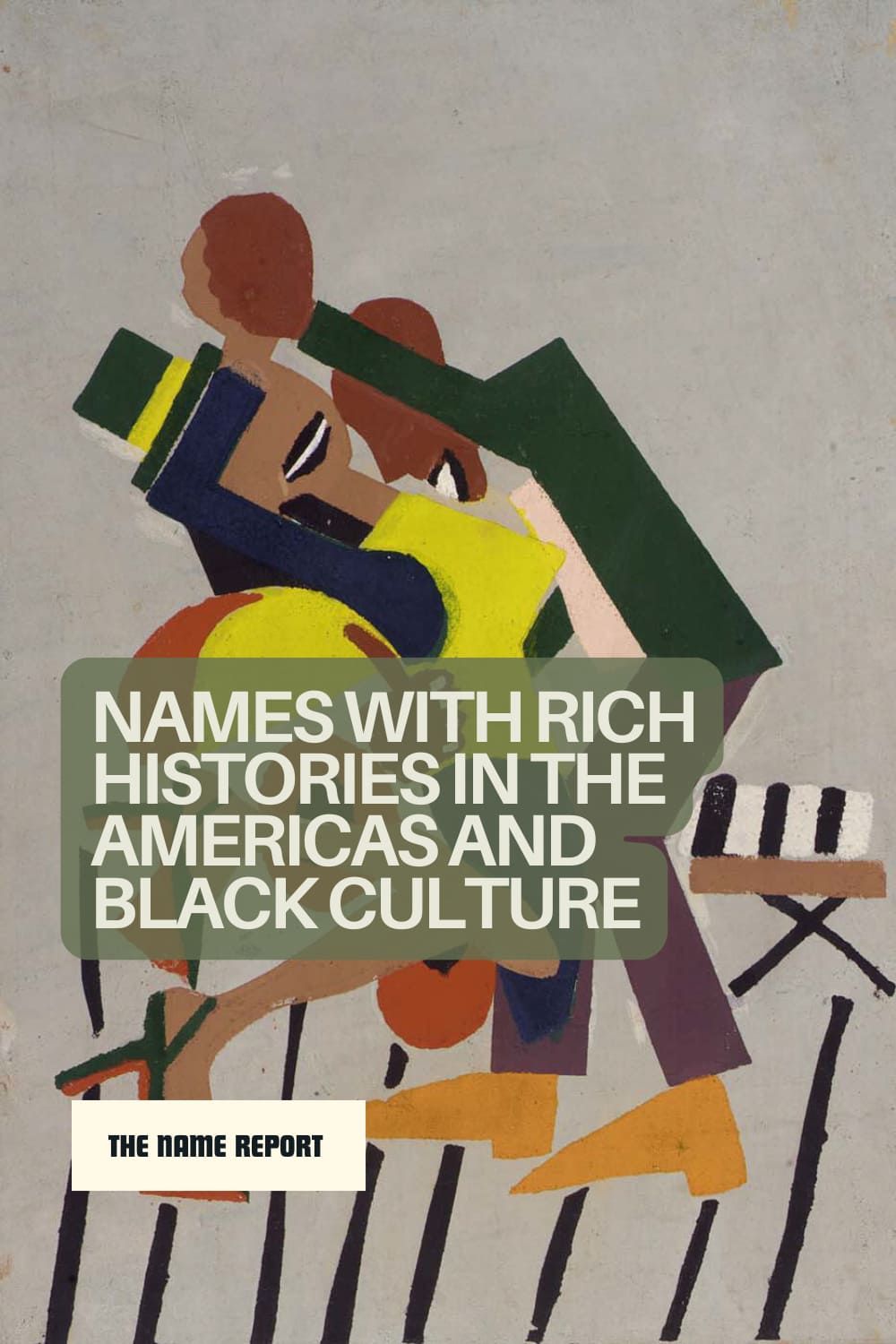
There’s something specific about Black naming traditions that mainstream naming discourse almost never gets right. It’s not exotic. It’s not trendy. It’s survival, resistance, reclamation, and joy all braided together into something that does real cultural work.
When enslaved Africans arrived in the Americas, they had their names stolen. That’s not metaphorical—it’s historical fact. Slave traders and enslavers stripped away the names that connected people to their families, their languages, their histories, their very identities. So what Black people did—what Black people have been doing for centuries—is reclaim naming as an act of radical agency.
Black American naming traditions aren’t just about personal preference. They’re about connection. They’re about resistance. They’re about saying: I will name my child something that connects them to where we come from. I will name them something that speaks to their power. I will name them something that carries the weight of our survival and our excellence.
This is what separates Black naming traditions from the mainstream “baby naming trend” conversation. When a white family picks a name, they’re picking from a well of hundreds of years of uninterrupted cultural continuity. When a Black family picks a name, they’re often reclaiming from archives of violence and erasure—or they’re creating something entirely new to speak to something that didn’t exist before, because they had the language to invent it.
What’s happening in Black naming is genuinely interesting from a cultural perspective. Families are drawing from African languages and traditions. They’re honoring freedom fighters and artists and intellectuals. They’re creating names that don’t exist in any other culture because they’re responding to a specific cultural moment. They’re naming their children with intention that goes so far beyond aesthetic preference.
This is about understanding that the names we’re looking at here aren’t just beautiful—though many are. They’re doing something. They’re carrying history. They’re making statements. They’re connecting across oceans and centuries.
What Black Naming Traditions Actually Are
Before we get into the names themselves, let’s be clear about what we’re actually looking at.
Black American and diaspora naming traditions are characterized by:
Connection to African heritage and language. Many Black families deliberately choose names that connect to their ancestors’ countries of origin—whether that’s West African names like Zuri or Kwame, or Swahili names like Amara or Amir, or names from across the African continent that speak to specific cultural roots.
Honoring specific historical figures and moments. From Harriet to Malcolm to Ella to Audre—many Black names are chosen to honor freedom fighters, artists, intellectuals, and leaders who shaped Black excellence and resistance. The name carries the legacy of that person.
Linguistic creativity and innovation. Black naming traditions include a robust history of creating new names that speak to specific cultural moments—whether that’s adding “-sha” suffixes to create variations, combining linguistic elements, or inventing names entirely that respond to contemporary Black culture and joy.
Spiritual and ancestral connection. Many Black naming practices are rooted in spiritual traditions—from African diaspora religions like Vodou and Santería to Christian traditions to Afrocentric spirituality. The name is a spiritual anchor.
Celebration of joy, power, and excellence. Black naming traditions often deliberately center Black beauty, Black power, Black achievement, Black joy. Names like Queen, Royal, Prince, King—these aren’t trying too hard. They’re stating a fact: this child is royalty. This child carries excellence. For more on how names function to express these values, explore our collection of aesthetic baby names and powerful names.
Resistance to erasure. At its core, Black naming is an act of reclamation. It’s saying: you tried to erase us, and we’re naming our children in ways that insist we matter, we exist, we have history, we have power.
If you’re interested in names that carry cultural weight and meaning, you might also explore names with powerful meanings or literary baby names as frameworks for understanding how names function culturally.
Names Honoring African Heritage and Language
Zuri (Swahili, ZOO-ree) — Meaning “beautiful,” Zuri is a Swahili name that carries East African heritage. It’s been increasingly chosen by Black American families as a deliberate connection to African roots, reclaiming what was denied by the Middle Passage.
Kwame (Akan, KWAH-mee) — Meaning “born on Saturday” in the Akan tradition, Kwame carries West African specificity. In many Akan communities, names are given based on the day of the week you’re born—which means the name carries ancestral tradition built into it.
Amara (Yoruba, ah-MAH-rah) — Meaning “grace” in Yoruba, Amara connects to West African linguistic and cultural roots. It’s a deliberate choice to speak an ancestral language through your child’s name.
Amir (Arabic/Swahili, ah-MEER) — Meaning “prince” or “leader,” Amir carries both Islamic and African cultural roots. For many Black families, it honors the complex religious and cultural heritage of the African diaspora.
Adeyemi (Yoruba, ah-deh-YEH-mee) — Meaning “crowned with honor,” Adeyemi carries significant Yoruba cultural weight. It’s the kind of name that speaks to lineage and status within African traditions.
Amani (Swahili, ah-MAH-nee) — Meaning “peace,” Amani is a name chosen by Black families to speak to spiritual and cultural values. It carries intention about the world you want your child to inhabit.
Malik (Arabic, mah-LEEK) — Meaning “king,” Malik is a name that explicitly centers Black excellence and power. It’s a reclamation of royal status.
Imani (Swahili, ih-MAH-nee) — Meaning “faith,” Imani is rooted in Swahili and was popularized through Black American cultural movements. It carries both linguistic authenticity and contemporary Black American usage.
Kofi (Akan, KOH-fee) — Meaning “born on Friday,” Kofi carries West African naming tradition. It’s a specific connection to Akan cultural practices.
Kaia (Swahili, KY-uh) — Meaning “sea,” Kaia connects to Swahili language and East African heritage. For diaspora families, it can speak to the ocean crossings and journeys that shaped Black American history.
Nia (Swahili, NEE-uh) — Meaning “purpose,” Nia is a Swahili name that carries intentionality. It was popularized as part of Black American cultural movements celebrating African heritage.
Ayaan (Arabic/Somali, ah-YAHN) — Meaning “gift” or “blessing,” Ayaan carries East African and Islamic heritage. It speaks to values that many Black families want to center.
Kaida (Japanese/Swahili, KY-duh) — While originally Japanese, Kaida has been adopted in Black communities with different meaning. It shows how Black naming practices include global linguistic influences.
Sekou (Bambara, suh-KOO) — A West African name connected to Malian and wider Saharan traditions. It carries specific cultural rootedness.
Amartya (Bengali, ah-MAR-tya) — While Bengali in origin, this name has been adopted across Black diaspora communities as a statement of intellectual heritage and excellence.
Akosua (Akan, ah-KOH-swah) — Meaning “born on Sunday,” Akosua carries Akan traditions. It’s a specifically feminine gendered name in Akan culture, with meaning embedded in the gender itself.
Ayo (Yoruba, AH-yo) — Meaning “joy,” Ayo is a name that celebrates happiness and celebration as central to Black identity. It’s a statement about what you want your child to carry.
Jabari (Swahili, juh-BAH-ree) — Meaning “brave” or “fearless,” Jabari is chosen by families who want to center courage and boldness in their child’s identity.
Zara (Arabic/Swahili, ZAH-rah) — Meaning “blooming flower,” Zara carries both Islamic and East African roots. It speaks to Black feminine beauty and growth.
Names Honoring Black American Historical Figures and Movements
Ella (English, EL-uh) — Meaning “all” or “complete,” Ella honors Ella Fitzgerald, Ella Baker, and a tradition of Black women who were complete, powerful, and didn’t ask for permission. It’s become a way to invoke that lineage.
Audre (Greek, AW-dray) — Honoring Audre Lorde, the Black lesbian poet and theorist who fundamentally shaped how we think about intersectionality, power, and Black excellence. Choosing Audre is choosing intellectual resistance.
Harriet (Germanic, HAIR-ee-et) — Honoring Harriet Tubman, the freedom fighter who liberated herself and others. It’s a name that carries the weight of liberation and courage. An act of reclamation.
Malcolm (Scottish, MAL-kum) — Honoring Malcolm X, the political leader whose name became synonymous with Black power and self-determination. It carries the weight of intellectual and political resistance.
Fannie (English, FAN-ee) — Honoring Fannie Lou Hamer and her legacy of voting rights activism and unwavering commitment to freedom. A name that carries political power.
Rosa (Latin, ROH-zuh) — Honoring Rosa Parks and her quiet, radical resistance. A name that carries the weight of refusing to move, refusing to comply, refusing erasure.
Sojourner (English, SO-jur-ner) — Honoring Sojourner Truth and her powerful “Ain’t I a Woman?” speech. A name that speaks to journey and truth-telling.
Assata (Swahili, ah-SAH-tuh) — Honoring Assata Shakur and the Black Liberation Army. A name chosen by families to invoke resistance, survival, and continued fight for freedom.
Langston (English, LANG-stun) — Honoring Langston Hughes and Black artistic excellence. A name that connects to literary tradition and creative resistance.
Miles (Latin, MYLZ) — Honoring Miles Davis and Black musical genius. A name that carries artistic innovation and excellence.
Billie (English, BIL-ee) — Honoring Billie Holiday and her power as a Black woman artist who refused to be silenced. A name that carries artistic dignity.
James (Hebrew, JAYMZ) — Honoring James Baldwin and his literary and intellectual power. A name that carries the weight of truth-telling and cultural critique.
Nina (Spanish, NEE-nuh) — Honoring Nina Simone and her legacy as artist, activist, and Black woman who refused to be put in a box. A name that carries power and complexity.
Medgar (English, MED-gar) — Honoring Medgar Evers and his assassination and martyrdom in the civil rights movement. A name that carries sacrifice and continued commitment to justice.
Bessie (English, BES-ee) — Honoring Bessie Smith, the “Empress of the Blues,” and her power as a Black woman artist. A name that carries musical legacy.
Charlie (English, CHAR-lee) — Honoring Charlie Parker and Black musical innovation. A name that carries creative genius.
Aretha (Greek, ah-REE-thuh) — Honoring Aretha Franklin and her absolute power as the Queen of Soul. A name that carries vocal excellence and dignity.
John (Hebrew, JON) — Honoring John Coltrane and his spiritual approach to music. A name that carries artistic transcendence.
Lorraine (French, luh-RAYN) — Honoring Lorraine Hansberry and her powerful play “A Raisin in the Sun.” A name that carries literary and theatrical excellence.
Names Celebrating Freedom, Resistance, and Reclamation
Freedom (English, FREE-dum) — A literal statement. A name chosen by families to invoke what was denied, what was fought for, what their child carries. It’s not metaphorical—it’s political.
Anika (Sanskrit, uh-NEE-kuh) — Meaning “grace” in Sanskrit, but chosen in Black communities as a name that speaks to Black beauty and joy. It’s a reclamation of names from different traditions into Black American culture.
Sankofa (Twi, sahn-KOH-fuh) — Meaning “it is not wrong to go back for that which you have forgotten,” Sankofa is the name of a West African proverb and symbol. It speaks to reclamation of history and tradition.
Kamau (Kikuyu, kah-MAH-oo) — Meaning “quiet warrior,” Kamau carries East African heritage and speaks to resistance that doesn’t announce itself.
Amiri (Arabic, ah-MEER-ee) — Meaning “prince,” Amiri was chosen by many Black families as a deliberate claim to royalty and excellence. It became synonymous with Black power.
Sage (Latin, SAYJ) — While a nature name, Sage is chosen in Black communities to invoke wisdom, spiritual grounding, and intellectual power.
Justice (Latin, JUS-tis) — A literal invocation of what was denied and what families are demanding. It’s a powerful statement embedded in a name.
Trinity (Latin, TRIN-uh-tee) — Chosen by families connected to spiritual traditions, Trinity invokes wholeness, divinity, and the power of threefold connection.
Destiny (English, DES-tuh-nee) — A name chosen to invoke agency and power over one’s future. It’s about refusing predetermined limitations.
Phoenix (Greek, FEE-niks) — The mythical bird that rises from ashes. A name chosen to invoke survival, rebirth, and resilience.
Zion (Hebrew, ZY-un) — Originally biblical, Zion has been adopted in Black communities to invoke spiritual freedom, promised land, and liberation. It carries Rastafarian and broader Black spiritual traditions.
Afrika (English/Swahili, af-REE-kuh) — A deliberate spelling that invokes the continent and the reclamation of African identity. It’s unapologetically political.
Noble (Latin, NOH-bul) — A name that literally centers nobility and excellence. It’s a statement about how the child should be seen.
Sovereign (English, SOV-rin) — A name that invokes power, self-determination, and independence. It’s about refusing subordination.
Essence (Latin, ES-ens) — A name chosen to invoke the fundamental truth and power of Black existence. It centers what cannot be erased.
Aliyah (Arabic, ah-LEE-uh) — Meaning “exalted” or “of high social status,” Aliyah was popularized by the R&B singer Aaliyah and has become a statement of Black feminine excellence.
Caribbean and Pan-Diaspora Names
Zendaya (Shona, zen-AY-uh) — Meaning “to give thanks,” Zendaya carries Southern African (specifically Zimbabwean) heritage and has become a statement of Black excellence through the actress and cultural figure.
Asha (Sanskrit/Swahili, AH-shuh) — Meaning “hope,” Asha carries both South Asian and East African roots. It speaks to the interconnectedness of the diaspora.
Kai (Hawaiian, KY) — While Hawaiian, Kai has been adopted across Black diaspora communities and speaks to island and oceanic heritage connections.
Jamila (Arabic, jah-MEEL-uh) — Meaning “beautiful,” Jamila carries Islamic heritage and has been chosen across Black diaspora communities (African, Caribbean, American).
Kenji (Japanese, KEN-jee) — An example of how Black naming practices include global influences and cross-cultural connections.
Jamal (Arabic, juh-MAHL) — Meaning “handsome,” Jamal carries Islamic heritage and was popularized in Black American communities as a statement of Black masculine beauty.
Rashida (Arabic, rah-SHEE-duh) — Meaning “righteous,” Rashida connects to Islamic tradition and has been chosen across Black communities.
Darius (Persian, DAIR-ee-us) — Meaning “wealthy” or “kingly,” Darius carries Persian heritage and centers Black masculine excellence.
Ayla (Turkish, AY-luh) — While Turkish in origin, Ayla has been adopted in Black communities as a statement of Black feminine beauty and grace.
Samson (Hebrew, SAM-sun) — Biblical and powerful, Samson carries heritage of strength and resistance through multiple Black religious traditions.
Contemporary Innovations in Black Naming
Zayden (Contemporary, ZAY-den) — A contemporary creation that blends sounds and elements to create something new. It represents Black linguistic innovation and creativity.
Aaliyah (Arabic, ah-LEE-uh) — While rooted in Arabic, Aaliyah’s popularity exploded through R&B culture and became a statement of Black feminine excellence and style.
Amiyah (Contemporary, ah-MEE-uh) — A contemporary innovation that plays with linguistic elements to create something new. It speaks to Black creative naming practices.
Jaylen (Contemporary, JAY-len) — A contemporary creation that combines traditional elements in new ways. It represents how Black families are actively creating names that speak to their moment.
Kai’li (Contemporary, KY-lee) — An example of how Black naming practices include creative spelling and apostrophe use to create unique names.
Shaniyah (Contemporary, shah-NY-uh) — A contemporary creation that builds on traditional linguistic patterns to create something specific and new.
Messiah (Hebrew, muh-SY-uh) — A biblical name that has been reclaimed and repurposed in Black communities to invoke spiritual power and chosen identity.
Royal (English, ROY-ul) — A literal statement about status and excellence. Increasingly chosen by Black families to invoke the royalty their children carry.
Queen (English, KWEEN) — A direct assertion of power and excellence. Chosen by families to center Black feminine power and divine status.
King (English, KING) — Similarly direct, King centers Black masculine excellence and authority. It’s not performative—it’s political.
Khyree (Contemporary, khy-REE) — A contemporary innovation that uses linguistic elements creatively to create something entirely new.
Isiah (Hebrew, eye-ZY-uh) — A biblical name that has taken on contemporary Black cultural meaning and is chosen as a statement of faith and excellence.
Black Joy and Celebration in Names
Joy (English, JOY) — A literal statement about Black joy as resistance, as necessary, as central. It’s political and personal simultaneously.
Harmony (Greek, HAR-muh-nee) — A name that invokes peace, beauty, and wholeness. It’s chosen to center these values.
Delight (English, duh-LYT) — An assertion that Black children deserve delight, deserve joy, deserve celebration.
Serenity (English, ser-EN-uh-tee) — A name that invokes spiritual peace and grounding. It’s chosen to center calm and centering.
Gracen (English, GRAY-sen) — A contemporary creation that speaks to grace and power simultaneously.
Amari (Yoruba/Contemporary, ah-MAH-ree) — Meaning “strength” and “bundle,” Amari carries both traditional and contemporary Black naming practices. It speaks to power and unity.
Khalid (Arabic, kah-LEED) — Meaning “eternal,” Khalid is chosen to invoke timelessness and staying power.
Cairo (Egyptian, KY-roh) — Named after the Egyptian city, Cairo carries African heritage and sophistication.
Savanna (Spanish, suh-VAN-uh) — Named after the landscape, Savanna invokes African geography and natural power.
Names That Reclaim and Transform Language
Shanice (Contemporary, shah-NEESE) — A contemporary innovation that transforms traditional linguistic elements into something new and specific to Black American culture.
Jayden (Contemporary, JAY-den) — Shows how Black naming practices take elements and recombine them creatively.
Kiara (Irish/Contemporary, kee-AHR-uh) — While originally Irish, Kiara has been adopted and transformed in Black communities as a statement of Black feminine beauty.
Anaya (Sanskrit/Contemporary, uh-NAH-yuh) — Shows how Black naming practices draw from global linguistic traditions and transform them into Black American context.
Khali (Sanskrit/Contemporary, KAH-lee) — While rooted in Sanskrit (after the goddess Kali), Khali in Black communities becomes a statement of Black power and divinity.
Zuri (already covered, but worth emphasizing as reclamation)
Imani (already covered, but shows how Swahili names have been reclaimed into Black American naming practices)
Classic Black American Names With Deep Roots
Ebony (Greek, EB-uh-nee) — The dark wood, Ebony emerged as a specifically Black American naming choice to center and celebrate Black beauty and darkness as powerful.
Dwayne (Irish, DWAYN) — While Irish in origin, Dwayne became deeply associated with Black American culture and power.
Latoya (Spanish/Contemporary, luh-TOY-uh) — A contemporary creation that became iconic through Black culture and represents Black feminine excellence.
Tyrone (Irish, ty-ROHN) — While Irish in origin, Tyrone became a specifically Black American naming choice and cultural marker.
Quentin (Latin, KWEN-tin) — While classical in origin, Quentin has become part of contemporary Black naming practices.
Trayvon (Contemporary, TRAY-von) — A name that carries the weight of Black lives lost and the movement for Black justice. Choosing it is choosing to honor and remember.
Breonna (Contemporary, bree-AHN-uh) — Similarly, Breonna carries the weight of Black women’s lives and continued fight for justice.
George (Greek, JOR-j) — A name that, in contemporary context, carries the weight of George Floyd and the movement for Black liberation that followed.
Jahmila (Arabic/Contemporary, juh-MEE-luh) — A contemporary innovation that combines traditional elements with Black American linguistic practices.
Nala (Swahili, NAH-luh) — Meaning “successful,” Nala carries East African heritage and has been popularized through Black culture.
The Cultural Moment: Why Black Naming Traditions Matter Right Now
We’re at a cultural moment where Black families are deliberately, unapologetically centering their own naming practices instead of assimilating into white naming norms.
For centuries, Black naming has been undervalued, criminalized, treated as “unprofessional,” treated as something to overcome rather than celebrate. Black children have been discriminated against because of their names. The system has made it clear: you should want to sound white if you want to succeed.
What’s happening now is a direct rejection of that. Black families are naming their children with intention that explicitly centers Black culture, Black excellence, Black joy, Black power. They’re saying: my child’s name announces who they are. It connects them to where we come from. It centers what we value.
This is reclamation. This is resistance. This is love.
For guidance on names that carry meaning and cultural weight, check out our collection of names with powerful meanings. And if you’re interested in literary baby names, many of the historical figures we’ve discussed here have their own literary legacies worth exploring. For those exploring names inspired by specific meanings like fire or celestial themes, Black naming traditions offer rich alternatives rooted in cultural significance.
What to Avoid If You’re Not Part of the Culture
This is important: cultural appropriation around Black naming is real and visible. If you’re not Black, and you’re thinking about choosing a Black name for your child, there are some serious considerations:
Avoid: Choosing a Black name because you think it’s trendy or exotic. That’s appropriation, not appreciation.
Avoid: Using African or Black diaspora names without understanding their meaning and significance. The name carries cultural weight you need to respect.
Avoid: Speaking about Black naming as if it’s just an aesthetic choice on par with other name trends. It’s not. It’s cultural and political.
Avoid: Using these names as a performance of cultural competency or to signal that you’re “not racist.” That’s performative and offensive.
If you’re not Black: You can absolutely appreciate and respect these naming traditions. You can learn from them. You can understand why they matter. But choosing these names for your own children requires real thought about what you’re doing and why.
Building a Black Family Naming Legacy
If you’re a Black family thinking about naming, you have choices:
The ancestral connection approach: Choosing names that literally connect to your family’s specific heritage—whether that’s Igbo, Yoruba, Jamaican, Haitian, or any other specific cultural tradition your family comes from.
The honored figures approach: Choosing names of historical figures whose legacies you want your child to carry. Whether that’s Harriet or Malcolm or Nina or James.
The linguistic innovation approach: Creating names that speak to your specific moment and values, using elements from your heritage and your imagination.
The combined approach: Mixing ancestral names with contemporary innovation, traditional with new.
If you’re building a family with multiple children, you might also explore our guide to the perfect middle names and getting flow right to understand how full names work together to create meaning and legacy across sibling sets.
The principle: every name should be a choice. Every name should carry intention. Every name should speak to what you value for your child and what legacy you want them to carry.
Getting Your Personalized Black Family Name
These names are a starting point. They’re a celebration of Black naming traditions and the cultural weight these names carry. But the name that’s specifically right for your family? The one that connects to your specific heritage, your specific values, your specific vision for your child? That’s where real naming work happens.
If you’re a Black family wanting to choose a name that genuinely honors your culture, your history, and your values—that honors where you come from and where your child is going—that’s where Your Personalized Name Report comes in.
Because naming is serious business. And for Black families, it’s always been more than just a name. It’s reclamation. It’s resistance. It’s love. It’s legacy.