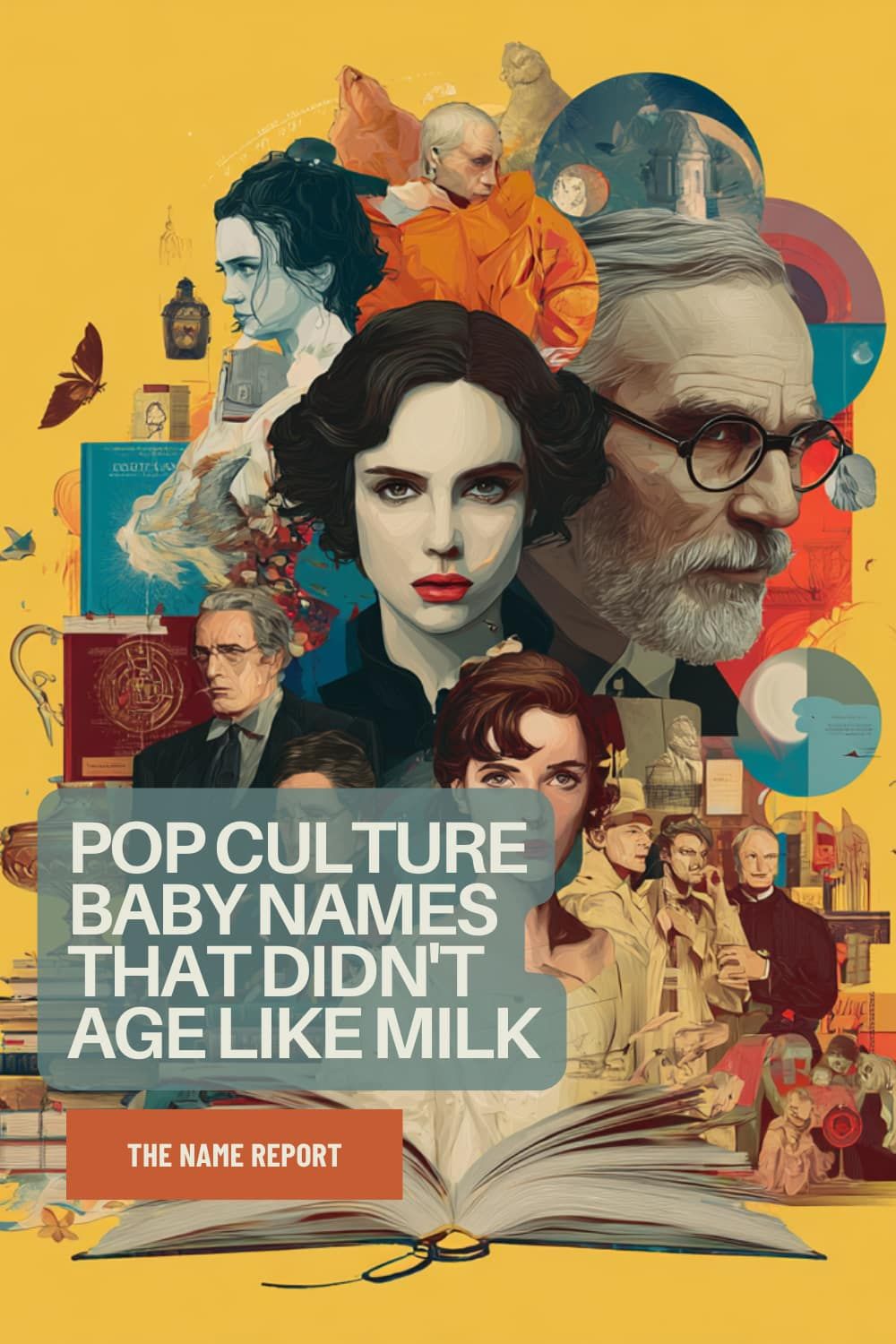
There’s a particular kind of terror in naming your kid after something you love: What if the thing becomes uncool? What if your kid grows up and asks, “You named me after what?” And suddenly your reference feels dated, a digital time capsule of a moment when you were obsessed with something that now reads as try-hard.
But here’s the thing: some pop culture names actually transcend their origin story. They stop being references and become just… names. Atticus. Evelyn. Oliver. Miles. You know these names from books or movies, but they’ve been around long enough that the reference fades into the background. The person wearing the name gets to exist independently of it.
This is the sweet spot. These are the pop culture names that have real substance, names that came from media but also exist beyond it. Names that work whether or not your kid ever watches the show or reads the book. Because the best pop culture naming isn’t about the reference—it’s about choosing names that are genuinely good, that happen to have appeared in something you love.
The Difference Between “Pop Culture Name” and “Reference”
Before we dive into names, let’s establish what we’re actually talking about here. There’s a difference between a name that originated in pop culture and a name that’s useful only because of pop culture.
The reference: Khaleesi, Arya, Katniss. These are names that exist almost entirely because of their media origin. They’re intrinsically linked to the character and the moment. If you name your kid Khaleesi, you’re naming them after Game of Thrones. That’s the whole thing. And there’s nothing wrong with that necessarily, but the kid is always going to be in conversation with that reference.
The transcendent: Atticus, Evelyn, Oliver, Sienna. These are names that appear in beloved media (To Kill a Mockingbird, Fleabag, various literature, Bridgerton) but could have existed without the reference. They’re substantial names that happen to show up in pop culture. The reference is a benefit, not a requirement.
This distinction matters because the names that age well are the ones where the media origin becomes optional context, not the entire foundation.
Literary Names That Became Just… Names
Some of the most beloved pop culture names come from literature, and that’s because books have longer cultural staying power than TV shows or movies. A book can sit on the shelf for decades and suddenly feel relevant again. The names stay with it.
Atticus (AT-i-kus) — From To Kill a Mockingbird, Harper Lee’s 1960 masterpiece. Atticus Finch was the moral center of that novel, and the name carries that weight forward. But here’s what’s interesting: Atticus stopped being primarily a literary reference decades ago. It’s now used as a standalone name because the name itself is just good. It has gravitas. It sounds like someone who read their way to wisdom. We’ve mentioned Atticus in pop culture names that carry real strength specifically because the name’s substance transcends its origin.
Evelyn (EV-uh-lin) — Not originally from one text, but associated with literary sophistication across decades of literature and film. Evelyn has been in and out of the top name lists because it carries intellectual weight. The literary association is a bonus, not the reason. The name works on its own.
Oliver (AHL-uh-ver) — Charles Dickens’ Oliver Twist gave this name cultural resonance, but Oliver has been around forever and works independently. It sounds steady, solid, trustworthy. The literary origin is nice context, but the name’s appeal is broader.
Sienna (see-EN-uh) — Popularized by Sienna Miller but rooted in color imagery and Italian tradition. Sienna is used because it sounds warm and substantial, not primarily because of celebrity association. The pop culture moment just accelerated what was already a good name.
Scarlett (SCAR-lit) — Scarlett O’Hara from Gone with the Wind made this name iconic, but Scarlett has transcended the reference. Now it reads as just a good, bold girl name. The Vivien Leigh association is historical context, not the reason for the choice.
Scout (SKOUT) — From To Kill a Mockingbird (Scout is Atticus’s daughter). Scout is the kind of name that works because it suggests independence and curiosity. The literary origin is meaningful but not mandatory. This is the rare pop culture name that works because it’s unconventional without the unconventionality feeling perform.
TV Shows That Generated Actual Naming Trends—And Why They Stuck
Television is fast and fleeting, but certain shows have generated naming trends that actually aged well. The key is: did the name transcend the show?
From Fleabag: Fleabag generated genuine naming interest, but the names that stuck weren’t unique to the show. The breakthrough was The Regency Effect moment—showing refined, unconventional names in a contemporary context. Parents didn’t name their kids after characters; they borrowed the naming aesthetic from the show. That’s how good naming trends work.
From Bridgerton: This show is responsible for a massive uptick in Regency-era names being used. But again—it’s not that parents are naming kids after the main characters. It’s that Bridgerton recontextualized traditional names (Penelope, Anthony, Simon) as contemporary and desirable. The show validated these names, but the names themselves carry centuries of substance.
From The Good Wife: Alicia became a name people used not because of Julianna Margulies, but because the show made professional, sophisticated female characters feel aspirational. Parents borrowed the naming taste level, not the specific character.
From Succession: This one’s interesting because it did generate Greyjoy-adjacent interest (Roman, Siobhan), but those names already existed. Succession didn’t create them; it popularized them in a new context. The names aged well because they have real foundations.
The pattern: TV shows don’t generate good pop culture names. They generate good aesthetic contexts where good names feel fresh. That’s the distinction.
Movie Characters That Inspired Timeless Names (Not Just Main Characters)
Film has the benefit of cultural staying power—a great movie doesn’t date the way TV sometimes does. And the best pop culture names from film often come from supporting characters, not leads.
Miles (MYLZ) — Miles Raymond from Sideways (2004) is the character that made this name contemporary. But Miles has real substance independent of the reference. It means “soldier” but sounds nothing like warfare. It reads as someone who’s made peace with complexity and moved on. The movie reference is a fun fact, but the name works on its own. Names that mean strength but whisper it often include Miles because it carries resilience without aggression.
Matilda (muh-TIL-duh) — Roald Dahl wrote the character, Tim Burton adapted it, but Matilda became a standalone name because it carries the quality the character embodied: intellectual, determined, grounded. It’s also been around for centuries in other contexts. The movie/book reference is one layer; the substance is older and deeper.
Violet (VY-uh-lit) — Popularized recently by films and literature, but Violet has been a classic name forever. The pop culture moment just reminded people it existed. Parents aren’t naming kids Violet because of movie references; the references are just confirming what’s already a good name.
Emmett (EM-it) — From Twilight, Emmett Cullen generated some interest, but the name has real staying power independent of the vampire context. It sounds solid, reliable, grounded. The literary origin is optional.
Finn (FIN) — One syllable, used across media (Adventure Time, Star Wars, various literature), but works as a standalone. Finn has been a name forever (it’s Irish). The pop culture associations are just variations on a name that already existed. That’s how you know it’s going to age well.
Pax (PAKS) — Used in various contexts, most notably as Brad Pitt and Angelina Jolie’s adopted son’s name, but also a standalone Latin name meaning “peace.” Pax is short, strong, carries meaning. The celebrity association is just one data point. The name itself is what matters.
The Pop Culture Names That Actually Aged Well (And the Ones That Didn’t)
Let’s be honest about what didn’t work:
Khaleesi — peaked with Game of Thrones’ cultural dominance, now feels locked to that moment. It’s not a name that transcends its reference.
Katniss — same issue. Great character, but the name only exists because of Hunger Games. When that cultural moment faded, so did the name’s appeal.
Anakin — Star Wars is eternal, but Anakin as a baby name peaked and faded because the reference is too specific.
But then look at what did work:
Atticus, Evelyn, Oliver, Sienna, Scout, Miles, Matilda, Violet, Finn — these aged well because they have substance beyond the reference. They’re names that could exist without their pop culture origin. They’re substantial enough to carry a person through a lifetime.
The difference: Did the name exist before the pop culture moment? Can the name work without the reference? Is there cultural depth beyond the media origin?
These questions separate names that age well from ones that date.
Literary vs. Screen: When Pop Culture Names Carry Real Substance
Here’s something worth examining: why do literary names age better than television or film names?
Literature has a longer shelf life. A novel from 1960 is still being read, still generating new readers, still feeling contemporary. A TV show from 2009 feels dated. A movie from 1995 is a reference, not a current experience. Names from literature stay relevant because literature stays relevant.
This is also about the depth of characterization. A film has two hours to develop a character. A novel has 300 pages. You learn more about Atticus Finch in To Kill a Mockingbird than you do about almost any screen character. The name carries that depth forward.
If you’re interested in this intersection of pop culture and naming substance, check out BookTok baby names for the current literary moment. And for the slightly older literary references, our post on names that feel new but are actually very old explores how pop culture sometimes rediscovers names that have been around forever rather than inventing new ones.
When Celebrity Names Aren’t Really Pop Culture Names
Quick clarification on what we’re not talking about: celebrity kids’ names that exist primarily as celebrity choices.
This is the Elon Musk category—X Æ A-12. The North West category. The Gwyneth Paltrow Apple category. These are names chosen by celebrities that generate attention because a celebrity chose them, but they don’t have substance independent of that choice. They’re reference points in celebrity culture, not genuinely useful pop culture names for ordinary people.
The pop culture names worth considering are the ones celebrities choose because they’re good names, not the names celebrities invented to be memorable. Big difference.
The Intersection: Pop Culture Names + Real Substance
The names that work best are the ones that exist at the intersection of several qualities:
They have historical or cultural grounding. Atticus isn’t new; it’s just old. Oliver has been around forever. These names didn’t originate in pop culture; pop culture just reminded us they were good.
They sound meaningful independent of the reference. If someone has never seen Fleabag, does Penelope still sound like a good name? Yes. That’s how you know it transcends the reference.
They don’t require explanation. Your kid won’t have to spend their childhood explaining why they have this name. The pop culture reference is optional context, not the foundation.
They’re used broadly enough that they feel normal, not rare. Scout might feel unusual, but Oliver or Evelyn feel normal while still carrying pop culture resonance. That’s the sweet spot.
They have some connection to names that actually age well. The best pop culture names are the ones that work on a five-year-old, a teenager, and a CEO. They don’t feel dated when you’re sixteen or forty-five.
How to Evaluate Pop Culture Names (A Framework)
If you’re considering a pop culture name, ask yourself these questions:
Does the name exist beyond the reference? Can it work without the pop culture origin story?
Is the reference recent or established? Recent references date more quickly. Established ones (literature, decades-old film) have staying power.
Does the name carry meaning or quality independent of the character? Atticus means something; Oliver has substance. They’re not just containers for reference.
Will the reference still matter in 20 years? Some pop culture is eternal (Gone with the Wind, literary canon). Some has an expiration date (most TV shows).
Does your kid have to perform the reference their entire life? Or can they just be a person with a name that happens to have appeared in media?
Would you love this name if it had never appeared in pop culture? This is the real test.
The Romantasy Factor: When Fantasy Media Influences Naming
One special category of pop culture influence: fantasy media. Books and shows like Bridgerton, House of the Dragon, and the Romantasy genre boom have recontextualized fantasy-adjacent names as contemporary.
Names like Penelope, Siobhan, and Cordeliaused to read as dated or overly literary. Now they read as Regency-coded (thanks to Bridgerton) or fantasy-influenced (thanks to the broader genre boom). The pop culture moment didn’t invent them; it changed how we read them culturally.
This is similar to dark romantasy names, which originated in fantasy media but have become substantive choices independent of the genre. The media influence sets a cultural moment, but the names’ longevity depends on them having substance beyond the trend.
Get Your Personalized Name Report
These frameworks help you evaluate pop culture names, but choosing your name requires understanding your own values and vision. What resonates as meaningful depends on what you love, what you want your kid to inherit, and whether the reference feels like a gift or a burden.
Ready to find the pop culture-inspired name that actually has staying power? Get your Personalized Name Report at https://app.thenamereport.com/ — we’ll help you navigate cultural references, assess longevity, and find the name that works whether or not your kid ever sees the show or reads the book.