Your baby’s name isn’t just a sound. It’s a bet on who they might become.
Most parents approach naming like they’re shopping for a shoe that fits—they like how it looks, it sounds right, it works with the last name. But somewhere along the way, the question shifts. You start wondering not just what the name is, but what it says. What does it reveal? What does it promise? What kind of person does it suggest?
This is where archetypes come in.
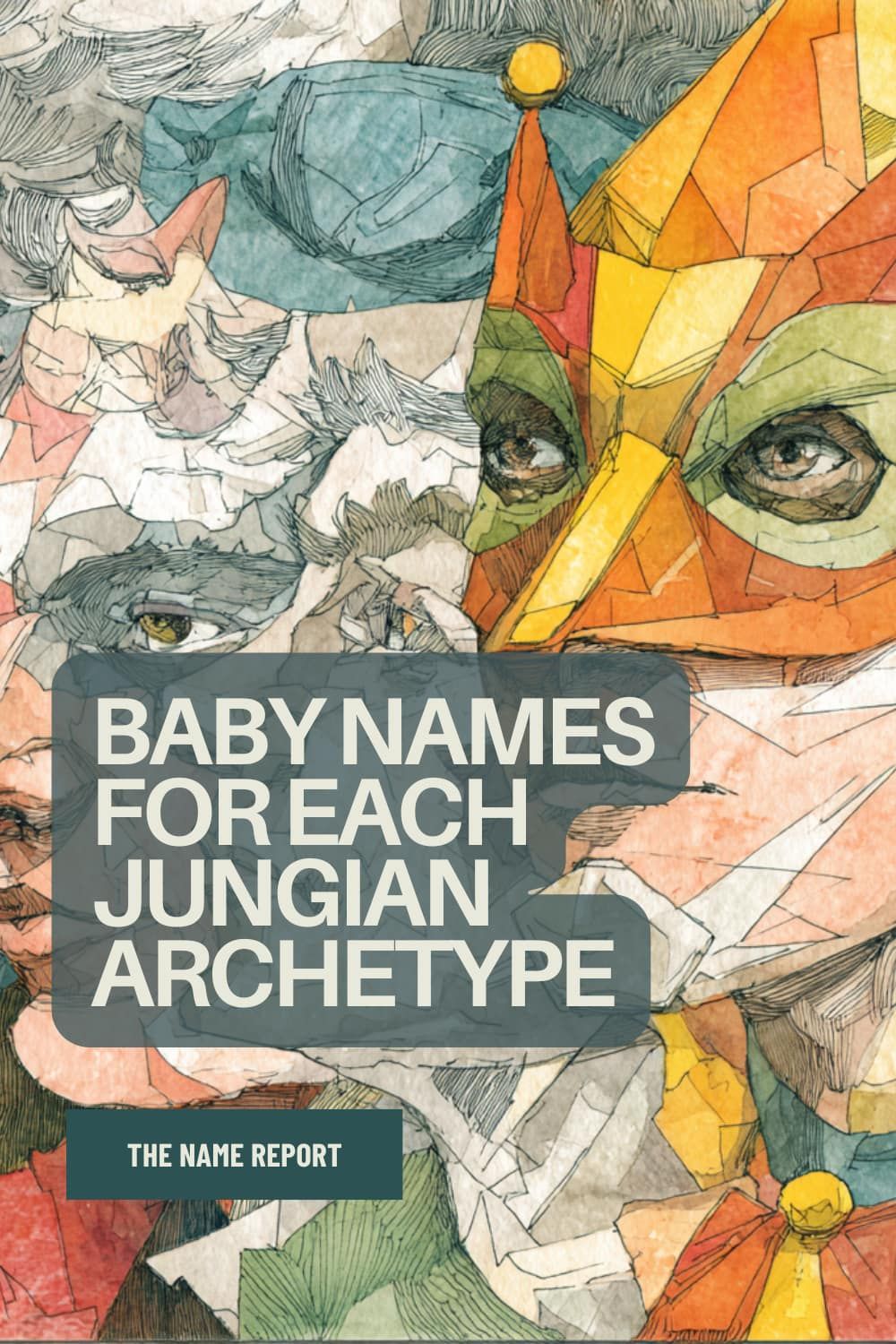
Carl Jung, the Swiss psychiatrist who basically mapped the human psyche like it was a continent, identified 12 fundamental personality types that appear across every culture, every story, every era. He called them archetypes. They’re the universal characters we recognize instantly: the Hero who charges forward. The Sage who sees everything clearly. The Innocent who trusts the world is good. The Lover who feels everything deeply.
What’s wild is that names carry archetypal energy too. A name doesn’t just label a child—it positions them. It sends a signal about what kind of person they might become. Some names whisper caution and wisdom. Others roar with bravery. Some feel like home. Others feel like a dare.
Here’s the thing: you’re not locked in. Your child will become whoever they decide to become, regardless of their name. But the name you give them is the first story you tell about who you think they could be. And sometimes, a name that carries the right archetypal weight—the right vibe—can feel like a quiet permission to step into that role.
This is different from what gets revealed when your naming choices get analyzed unconsciously—those hidden signals we send without realizing. This is intentional. This is about choosing a name to signal values you actually believe in.
How Archetypes Work (And Why Names Matter)
The 12 Jungian archetypes exist in the collective unconscious, according to Jung. They’re inherited patterns of behavior and meaning that show up everywhere: in myths, in stories, in the people we meet. They’re not personality types exactly—they’re more like universal energy signatures. Every human contains all 12 to some degree, but we tend to lead with one or two.
When you name a child with archetypal intention, you’re not forcing them into a box. You’re giving them a psychological anchor—a name that carries permission and resonance.
The question isn’t “Will my daughter be a Sage just because I named her Athena?” It’s more subtle: “Does this name carry the energy I want her to feel? Does it signal the kind of person I’m hoping she might explore becoming?”
Let’s look at what each archetype needs, then find names that carry that frequency.
The Innocent: Names That Feel Like Safety
The Innocent archetype is driven by optimism, trust, and the desire for happiness and safety. Innocents see the world with wonder. They believe in goodness. They’re not naive—they’re choosing to believe that life can be simple, that people can be trusted, that paradise is possible.
Innocent names tend to be: soft, lyrical, short and clear, reminiscent of childhood or light. They feel like a lullaby.
Girl Names:
- Hope (English) — The most direct statement. Not subtle, but genuine.
- Grace (English) — Softness with backbone. It suggests elegance without hardness.
- Lily (English, from lily flower) — Pure, simple, beautiful without trying.
- Emma (Germanic, “whole” or “universal”) — Approachable. Kind. Assumes the best.
- Isla (Scottish, “island”) — Small, contained, safe. Like a refuge.
- Iris (Greek, “rainbow”) — Hope after the storm. Promise.
- Sophia (Greek, “wisdom”) — Innocent wisdom, the kind that trusts the world.
- Clara (Latin, “clear”) — Transparent. Honest. Nothing hidden.
- Nora (Irish, “honor”) — Understated goodness.
- Ruby (Latin, “red gem”) — Precious without being precious. Warm.
Boy Names:
- Oliver (Latin, “olive tree”) — Peace. Gentle strength.
- Leo (Latin, “lion”) — Brave, but in an innocent way. Protective, not aggressive.
- Henry (Germanic, “house ruler”) — Reliable. Steady. Trustworthy.
- James (Hebrew, “supplanter”) — Classic in the best way. Assumes continuation.
- Miles (Latin, “soldier”) — Has a sense of journey but not danger.
- Samuel (Hebrew, “God has heard”) — Spiritual innocence. Faith.
- Noah (Hebrew, “rest, comfort”) — Survival + safety. New beginnings.
- Ezra (Hebrew, “help”) — Small, helpful, believing in goodness.
- Oscar (Old Norse, “God’s spear”) — Innocent strength. Not aggressive.
- William (Germanic, “resolute protector”) — Protection without fear.
Gender-Neutral:
- Quinn (Irish, “descendant of Conn”) — Simple. Clear. Trustworthy.
- Alex (Greek, “defender”) — Innocent defense. Protector without cynicism.
- Eden (Hebrew, “paradise”) — The literal name of safety and goodness.
- River (English, nature) — Flows. Trusts the current.
- Morgan (Welsh, “sea-born”) — Innocent wildness.
The Everyman: Names That Feel Like Home
The Everyman (also called the Orphan or Regular Person) wants to belong. They don’t need to stand out—they need to fit in, to be part of the group, to be relatable. Everyman names are the ones that have been around forever, that work in any room, that don’t demand attention.
Everyman names tend to be: accessible, familiar, slightly old-fashioned in a comforting way, the names that might belong to your neighbor.
Girl Names:
- Sarah (Hebrew, “princess”) — The original accessible name. Works everywhere.
- Elizabeth (Hebrew, “God’s oath”) — Classic. Belongs everywhere.
- Margaret (Greek, “pearl”) — Traditional. Dependable. Generational.
- Jane (Hebrew, “God’s gracious gift”) — Simple perfection.
- Mary (Hebrew, “of the sea”) — The everyman’s everyman.
- Susan (Hebrew, “lily”) — Straightforward kindness.
- Patricia (Latin, “noble”) — Everyman nobility. Accessible strength.
- Nancy (Hebrew, “grace”) — Approachable kindness.
- Carol (Latin, “song”) — Warm. Belongs at gatherings.
- Linda (Spanish, “beautiful”) — Beauty without pretense.
Boy Names:
- John (Hebrew, “God is gracious”) — The default. Belongs anywhere.
- Robert (Germanic, “bright fame”) — Classic. Known. Safe.
- Michael (Hebrew, “who is like God”) — Universal. Works in every place.
- David (Hebrew, “beloved”) — Story-familiar. Trustworthy.
- James (Hebrew, “supplanter”) — Every decade, every place.
- Richard (Germanic, “powerful ruler”) — Everyman authority.
- Charles (Germanic, “free man”) — Generational continuity.
- Joseph (Hebrew, “God will increase”) — Accessible, kind, present.
- Thomas (Aramaic, “twin”) — Understated. Reliable.
- George (Greek, “farmer”) — Work ethic. Belonging.
Gender-Neutral:
- Casey (Irish, “brave”) — Accessible bravery.
- Blake (English, “dark” or “pale”) — Modern everyman.
- Jordan (Hebrew, “to flow down”) — Accessible universality.
- Jamie (Hebrew, “supplanter”) — The friendly version.
- Riley (Irish, “courageous”) — Accessible courage.
The Hero: Names That Mean Strength
The Hero is driven by the need to prove themselves, to overcome challenges, to make the world better through action. Heroes are brave—not without fear, but willing to face it. They’re determined. They lead.
Hero names tend to be: strong consonants, commanding, short or punchy, names that sound like they belong to someone who gets things done.
Girl Names:
- Valerie (Latin, “strong” and “valiant”) — Strength in a name.
- Victoria (Latin, “victory”) — The literal archetype.
- Athena (Greek, goddess of wisdom and warfare) — Divine strategy.
- Diana (Latin, goddess of the hunt) — Huntress energy. Focused.
- Cassandra (Greek, “she who shines”) — Sees clearly. Fights for truth.
- Artemis (Greek, goddess of the hunt) — Independent warrior.
- Alexandra (Greek, “defender of men”) — Protection through strength.
- Beatrice (Latin, “she who brings happiness”) — Happiness through victory.
- Brynn (Welsh, “hill”) — Strong. Stands high.
- Scarlett (English, “red”) — Bold color. Bold presence.
Boy Names:
- Alexander (Greek, “defender of men”) — The conquerer. Strategic hero.
- Marcus (Latin, “warlike”) — Intentional strength.
- Victor (Latin, “victor”) — The literal achievement.
- Miles (Latin, “soldier”) — Journey + combat.
- Austin (Latin, “great, magnificent”) — Heroic magnificence.
- Everett (Germanic, “brave boar”) — Brave confrontation.
- Grant (English, “great”) — Achievement implied.
- Ethan (Hebrew, “strong, firm”) — Immovable strength.
- Max (Latin, “the greatest”) — Ambition + brevity.
- Silas (Latin, “from the forest”) — Wilderness hero. Self-reliant.
Gender-Neutral:
- Storm (English, nature) — Power. Unstoppable.
- Phoenix (Greek, mythical bird) — Resurrection. Overcoming.
- Casey (Irish, “brave”) — Accessible heroism.
- Parker (English, “park keeper”) — Territory. Guardianship.
- Morgan (Welsh, “sea-born”) — Warrior strength.
The Caregiver: Names That Whisper Compassion
The Caregiver is motivated by compassion, by the desire to help, to heal, to be there for others. Caregivers are selfless, nurturing, the ones who stay. They’re not weak—they’re strong enough to put others first.
Caregiver names tend to be: warm, soft edges, nurturing-feeling, names that suggest safety and care.
Girl Names:
- Caroline (Germanic, “free woman”) — Freedom expressed through caring.
- Margaret (Greek, “pearl”) — Precious, protective.
- Ellen (Greek, “bright, shining”) — Light that helps others see.
- Ruth (Hebrew, “compassionate friend”) — Literally compassion.
- Martha (Aramaic, “lady”) — Service with dignity.
- Anne (Hebrew, “grace”) — Grace as care.
- Iris (Greek, “rainbow”) — Guide through storms.
- Abigail (Hebrew, “father’s joy”) — Brings joy to others.
- Natalie (Latin, “born on Christmas”) — Associated with giving.
- Phoebe (Greek, “bright, pure”) — Light that guides others.
Boy Names:
- Benedict (Latin, “blessed”) — Blessing others.
- Daniel (Hebrew, “God is my judge”) — Wisdom in service.
- Paul (Latin, “small, humble”) — Strength in humility.
- Peter (Greek, “rock”) — Solid foundation for others.
- Edward (English, “wealthy guardian”) — Wealth used to guard/care.
- Joseph (Hebrew, “God will increase”) — Growth through service.
- Christian (Latin, “follower of Christ”) — Service-oriented.
- Martin (Latin, “warlike”) — Strength in service.
- Francis (Latin, “free man”) — Freedom expressed through caring.
- Vincent (Latin, “conquering”) — Conquering suffering, not people.
Gender-Neutral:
- Cameron (Scottish, “bent nose”) — Looks out for others.
- Morgan (Welsh, “sea-born”) — Protective waters.
- Parker (English, “park keeper”) — Watches over.
- Riley (Irish, “courageous”) — Courage to care.
- Blake (English, color) — Contrast that helps others see.
The Explorer: Names That Mean Freedom
The Explorer is restless, curious, driven to discover. They don’t like limits. They want new experiences, new places, new ideas. Explorers are authentic—they’re not pretending to fit in. They’re seeking.
Explorer names tend to be: adventurous-sounding, slightly unconventional, names that suggest movement or discovery.
Girl Names:
- Iris (Greek, “rainbow”) — Seeks across the spectrum.
- Ariana (Greek, “very holy”) — Spiritual seeking.
- Sienna (Italian, earth pigment color) — Natural, earthy exploration.
- Piper (English, “one who plays the pipe”) — Calls to adventure.
- Lara (Latin, “shining”) — Light discovers new terrain.
- Ivy (English, climbing plant) — Growth toward new heights.
- Natasha (Russian, “born on Christmas”) — Journey through seasons.
- Vera (Russian, “faith”) — Faith in the unknown.
- Scout (English, “to look out”) — Literally exploration.
- Sage (English, wise herb) — Wisdom through exploration.
Boy Names:
- Kai (Hawaiian, “sea”) — Water explorer. Journey.
- Rowan (Irish, “red-haired”) — Mobile, flexible strength.
- Caspian (referring to the Caspian Sea) — Geographic adventure.
- Finn (Irish, “fair”) — Wanderer by nature.
- Atlas (Greek, Titan who holds the world) — Carries the world while exploring.
- River (English, nature) — Constant movement.
- Ezra (Hebrew, “help”) — Help for the lost.
- Miles (Latin, “soldier”) — Journey and distance.
- Jasper (Persian, “treasurer”) — Collects discoveries.
- Beckett (English, “from Becket”) — Movement through place.
Gender-Neutral:
- River (English, nature) — Flow and discovery.
- Scout (English, “to look out”) — Seeking.
- Morgan (Welsh, “sea-born”) — Fluid explorer.
- Riley (Irish, “courageous”) — Courage to explore.
- Phoenix (Greek, mythical bird) — Transformation through journey.
The Rebel: Names That Sound Like Disruption
The Rebel doesn’t accept the status quo. They question, challenge, disrupt. Rebels aren’t trying to be difficult—they’re trying to change things. They’re revolutionary. Naming was itself a revolutionary act in African American history, a way of asserting freedom and identity.
Rebel names tend to be: unconventional, sharp, names with an edge, names that don’t do what everyone expects.
Girl Names:
- Rebel (English, “one who resists”) — The literal name.
- Raven (English, black bird) — Symbolically disruptive. Intelligent.
- Scarlett (English, “red”) — Bold. Unapologetic color.
- Indigo (English, deep blue-purple dye) — Color that breaks the rules.
- Storm (English, weather phenomenon) — Uncontrollable force.
- Freya (Norse, goddess) — Goddess of love and war. Contradictory power.
- Nyx (Greek, goddess of night) — Darkness + power.
- Kira (Russian, “leader”) — Taking charge.
- Sable (English, black) — Dark. Mysterious. Different.
- Zara (Arabic, “blooming flower” but sounds sharp) — Growth through disruption.
Boy Names:
- Axel (Old Norse, “father of peace” but sounds like rebellion) — Contradiction embedded.
- Cassius (Latin, “empty,” but sounds powerful) — Philosophical disruption.
- Quinn (Irish, “descendant of Conn”) — Gender-bending rebel.
- Kai (Hawaiian, but feels edgy) — Simple disruption.
- Cain (Hebrew, “acquired” but carries biblical disruption) — Complicated power.
- Orson (Latin, “bear cub”) — Wild predator energy.
- Phoenix (Greek, rising from ashes) — Literal rebirth.
- Dashiell (uncertain origin, but sounds unconventional) — Uncommon strength.
- Jude (Hebrew, “praised” but short/sharp) — Minimalist power.
- Silas (Latin, “from the forest”) — Wilderness over civilization.
Gender-Neutral:
- Storm (English, weather) — Disruption made visible.
- River (English, nature) — Carves its own path.
- Morgan (Welsh, “sea-born”) — Feminine + strong hybrid.
- Quinn (Irish, descendant) — Questions gender norms.
- Riley (Irish, “courageous”) — Courage to disrupt.
The Lover: Names That Feel Like Connection
The Lover is driven by passion, intimacy, sensuality, beauty, and connection. Lovers feel deeply. They want to be seen and to see others. They’re not shallow—they’re attuned to beauty and meaning in relationships.
Lover names tend to be: lyrical, soft, romantic-sounding, names with a sensual quality.
Girl Names:
- Rosalind (Latin, “pretty rose”) — Beauty + depth.
- Vivienne (Latin, “lively”) — Sensuality and aliveness.
- Isabella (Hebrew, “devoted to God”) — Devotion. Commitment.
- Arabella (Latin, “yielding to prayer”) — Softness + spiritual connection.
- Sylvia (Latin, “from the forest”) — Nature’s intimacy.
- Aurora (Latin, “goddess of dawn”) — New light together.
- Margot (French, “pearl”) — Refined connection.
- Juliet (Latin, “youthful”) — Romance as namesake.
- Penelope (Greek, “weaver”) — Literally creating connection.
- Eloise (French/Germanic) — Intimate intensity.
Boy Names:
- Adrian (Latin, “from Hadria”) — Soft strength. Romantic vulnerability.
- Sebastian (Greek, “revered, venerable”) — Romantic depth.
- Raphael (Hebrew, “God heals”) — Healing through connection.
- Julian (Latin, “youthful”) — Romance + intellectual depth.
- Ezra (Hebrew, “help”) — Helper through intimacy.
- Lucian (Latin, “light-giving”) — Illuminates through connection.
- Dante (Italian, “enduring”) — Passionate permanence.
- Caspian (referring to the sea) — Sensual geography.
- Lysander (Greek, “liberator of men”) — Freedom through love.
- Maxim (Latin, “greatest”) — Maximalist emotion.
Gender-Neutral:
- River (English, nature) — Flowing connection.
- Morgan (Welsh, “sea-born”) — Sensual water.
- Sage (English, herb) — Wisdom in relationships.
- Vale (English, “valley”) — Intimate landscape.
- Phoenix (Greek, mythical bird) — Transformation through love.
The Creator: Names That Suggest Making
The Creator is driven by self-expression, imagination, authenticity. Creators make things—art, music, ideas, lives. They don’t want to follow someone else’s blueprint. They want to create something new.
Creator names tend to be: artistic, distinctive, names that suggest uniqueness, slightly unconventional without being harsh.
Girl Names:
- Aria (Italian, “air/melody”) — Music. Expression.
- Sage (English, wise herb) — Wisdom expressed creatively.
- Iris (Greek, “rainbow”) — Spectrum of expression.
- Freya (Norse, goddess) — Creative power.
- Skyler (Dutch, “scholar”) — Learning toward creation.
- Eden (Hebrew, paradise) — Creating paradise.
- Luna (Latin, “moon”) — Mystical creation.
- Mia (Scandinavian, “mine”) — Ownership of creation.
- Ivy (English, plant) — Growing creation.
- Stella (Latin, “star”) — Bright creation.
Boy Names:
- Leonardo (Italian, “brave lion”) — Artistic bravery.
- Orson (Latin, “bear”) — Wild creative energy.
- Felix (Latin, “happy, lucky”) — Lightness in creation.
- River (English, nature) — Creative flow.
- Ezra (Hebrew, “help”) — Creatively helpful.
- Miles (Latin, “soldier”) — Moving toward creation.
- Jasper (Persian, “treasurer”) — Treasures ideas.
- August (Latin, “great”) — Magnanimous creation.
- Oscar (Old Norse, “God’s spear”) — Creative power.
- Atlas (Greek, Titan) — Carries creative weight.
Gender-Neutral:
- River (English, nature) — Flow of creation.
- Morgan (Welsh, “sea-born”) — Fluid creativity.
- Phoenix (Greek, mythical bird) — Creation through rebirth.
- Sage (English, herb) — Wisdom in making.
- Sky (English, nature) — Limitless creation.
The Jester: Names That Play
The Jester is driven by joy, humor, irreverence. Jesters lighten things up. They find humor where others see only seriousness. They’re not afraid to be silly. Jesters have a secret power: they can speak truth through laughter.
Jester names tend to be: playful, short, bouncy-sounding, names that don’t take themselves too seriously.
Girl Names:
- Molly (Irish, “beloved”) — Playful warmth.
- Poppy (English, flower) — Bright and bouncy.
- Zoey (Greek, “life”) — Joyful aliveness.
- Pixie (English, mythical creature) — Literal playfulness.
- Billie (Germanic, “resolute”) — Tough playfulness.
- Quinn (Irish, “descendant”) — Questions with humor.
- Hazel (English, tree) — Warm mischief.
- Lily (English, flower) — Innocent playfulness.
- Fiona (Scottish, “fair”) — Light-hearted.
- Winnie (English, “fair one”) — Literally playful.
Boy Names:
- Charlie (Germanic, “free man”) — Playful freedom.
- Jasper (Persian, “treasurer”) — Collects joy.
- Felix (Latin, “happy”) — Literally joyful.
- Oscar (Old Norse, “God’s spear”) — Powerful playfulness.
- Otis (Greek, “one who hears well”) — Listens for humor.
- Rory (Irish, “red king”) — Playful leadership.
- Max (Latin, “greatest”) — Joy in minimalism.
- Leo (Latin, “lion”) — Playful courage.
- Hank (Germanic, “home ruler”) — Retro playfulness.
- Evan (Irish, “young warrior”) — Youthful play.
Gender-Neutral:
- Quinn (Irish, “descendant”) — Playful questions.
- Riley (Irish, “courageous”) — Fearless fun.
- Morgan (Welsh, “sea-born”) — Fluid joy.
- Casey (Irish, “brave”) — Brave play.
- Blake (English, color) — Color as playfulness.
The Sage: Names That Sound Like Wisdom
The Sage is driven by the pursuit of truth, knowledge, understanding. Sages are analysts, thinkers, researchers. They’re not content with surface answers. They dig.
Sage names tend to be: intellectual-sounding, clear, names with a sense of authority or knowing.
Girl Names:
- Athena (Greek, goddess of wisdom) — Literally wisdom.
- Sophia (Greek, “wisdom”) — The direct translation.
- Iris (Greek, “rainbow”) — Vision + understanding.
- Minerva (Latin, goddess of wisdom) — Intellectual power.
- Vera (Russian, “faith” but sounds knowing) — Trust through knowledge.
- Helen (Greek, “shining light”) — Illumination.
- Diana (Latin, goddess of the hunt) — Focuses on truth.
- Clio (Greek, muse of history) — Preserves knowledge.
- Sage (English, wise herb) — The literal name.
- Phoebe (Greek, “bright”) — Light of understanding.
Boy Names:
- Solomon (Hebrew, “peaceful”) — Wisdom as peace.
- Aristotle (Greek, philosopher) — Philosophy as namesake.
- Atlas (Greek, Titan) — Carries knowledge.
- Thaddeus (Aramaic, “heart”) — Wisdom from the heart.
- Samuel (Hebrew, “God has heard”) — Listening wisdom.
- Ezra (Hebrew, “help”) — Helps through knowledge.
- Marcus (Latin, “warlike”) — Wisdom as strategy.
- Felix (Latin, “happy”) — Knowledge brings joy.
- Silas (Latin, “forest”) — Quiet wisdom.
- Vincent (Latin, “conquering”) — Conquers confusion through understanding.
Gender-Neutral:
- Morgan (Welsh, “sea-born”) — Sees beneath surfaces.
- Sage (English, herb) — The literal wisdom name.
- River (English, nature) — Flow of knowledge.
- Phoenix (Greek, mythical bird) — Wisdom through transformation.
- Quinn (Irish, “descendant”) — Questions wisely.
The Magician: Names That Transform
The Magician is driven by the desire to understand how things work, to transform reality, to make things happen. Magicians are visionary, charismatic, powerful. They see possibilities others miss.
Magician names tend to be: mysterious, powerful, names with an otherworldly quality.
Girl Names:
- Morgana (Welsh, “sea-born”) — Literally magical in legend.
- Ariel (Hebrew, “lion of God”) — Magical literature figure.
- Scarlett (English, “red”) — Bold transformation.
- Nyx (Greek, goddess of night) — Darkness as power.
- Isis (Egyptian, goddess) — Divine power.
- Freya (Norse, goddess) — Transformative power.
- Luna (Latin, “moon”) — Mystical power.
- Phoenix (Greek, mythical bird) — Literal transformation.
- Indigo (English, color) — Color as transformation.
- Selene (Greek, moon goddess) — Transformation through cycles.
Boy Names:
- Merlin (Welsh, wizard) — Literally magical.
- Adrian (Latin, “from Hadria”) — Soft transformation.
- Ezra (Hebrew, “help”) — Helps through transformation.
- Caspian (referring to the sea) — Mysterious depth.
- Orson (Latin, “bear”) — Wild power.
- Phoenix (Greek, mythical bird) — Rebirth as transformation.
- Atlas (Greek, Titan) — Carries transformative weight.
- Maxim (Latin, “greatest”) — Maximalist power.
- Lysander (Greek, “liberator”) — Liberation through transformation.
- Silas (Latin, “forest”) — Mysterious strength.
Gender-Neutral:
- Phoenix (Greek, mythical bird) — Literal transformation.
- Morgan (Welsh, “sea-born”) — Magic as namesake.
- River (English, nature) — Transforms landscape.
- Storm (English, weather) — Transformation through force.
- Vale (English, valley) — Mysterious depth.
The Ruler: Names That Command
The Ruler is driven by the need for control, structure, responsibility. Rulers create order. They’re not tyrants—they’re leaders who take responsibility. They decide, and they follow through.
Ruler names tend to be: authoritative, classic, names that suggest leadership and continuity.
Girl Names:
- Victoria (Latin, “victory”) — Triumph through rule.
- Elizabeth (Hebrew, “God’s oath”) — Royal commitment.
- Margaret (Greek, “pearl”) — Precious authority.
- Alexandra (Greek, “defender”) — Defensive leadership.
- Catherine (Greek, “pure”) — Pure authority.
- Diana (Latin, goddess) — Divine rule.
- Eleanor (Germanic, “bright light”) — Leadership as illumination.
- Grace (English, “grace”) — Authority with gentleness.
- Beatrice (Latin, “she who brings happiness”) — Rule for others’ happiness.
- Constance (Latin, “steadfast”) — Constant authority.
Boy Names:
- Alexander (Greek, “defender”) — Defender-leader.
- Augustus (Latin, “great”) — Greatness as rule.
- Henry (Germanic, “house ruler”) — Literally rules.
- Edward (English, “wealthy guardian”) — Wealthy responsibility.
- Charles (Germanic, “free man”) — Freedom through order.
- George (Greek, “farmer”) — Steward of land.
- Richard (Germanic, “powerful ruler”) — Literally powerful.
- William (Germanic, “resolute protector”) — Protective rule.
- Frederick (Germanic, “peaceful ruler”) — Peace through leadership.
- Constantine (Latin, “steadfast”) — Steady rule.
Gender-Neutral:
- Morgan (Welsh, “sea-born”) — Rules with fluidity.
- Cameron (Scottish, “bent nose”) — Watches over domain.
- Parker (English, “park keeper”) — Keeps order.
- Quinn (Irish, “descendant”) — Leadership question.
- Riley (Irish, “courageous”) — Courageous authority.
The Archetypal Self: Which Names Call To You?
Here’s what matters: you’re not locking your child into an archetype by naming them after one. You’re not saying “You will be the Sage” or “You must be the Hero.”
What you’re doing is giving them a name that resonates with who you hope they might become. A name that carries permission. A name that says: “I believe in this kind of strength” or “I trust you to be this kind of brave” or “This is how I imagine your goodness.”
Your child’s name will shape how they see themselves and how the world sees them. That’s not inevitable fate—it’s a quiet influence. And sometimes, the right name—a name that carries archetypal weight—can make it easier for them to step into that role when they’re ready.
The names you choose reveal what you value. If you’re drawn to Sage names, you probably value knowledge. If you’re drawn to Caregiver names, you probably value compassion. If you’re drawn to Rebel names, you probably value authenticity. The archetype calls to you for a reason.
Consider too that naming is a form of cultural transmission, and different cultures have their own archetypal energies embedded in names. You might find that your heritage carries certain archetypes more strongly than others—and honoring that is its own form of archetypal intention.
Your child’s name is the first mirror you hold up. Make it one that reflects who you believe they could become.